

Atmosphere
An atmosphere is a gaseous layer that envelops an astronomical object. The object (planet or moon) retains the atmosphere if its gravity is strong enough with a low atmospheric temperature. The outer region of a star is a stellar atmosphere. The Life Support module provides a breathable atmosphere inside a ship.
Earth's atmosphere is composed of nitrogen (78%), oxygen (21%), argon (0.9%), carbon dioxide (0.04%) and trace gases.[1] Most organisms breathe in oxygen and breathing out carbon dioxide. The atmospheric layers protect organisms from ultraviolet radiation, solar winds, sunlight and cosmic rays.[1]
Atmosphere types
A catalog all different types of atmospheres and colorization of each atmosphere in the game currently.
| Type | Description, notes | Rarity | Image |
|---|---|---|---|
| Silicate vapour | Seems to only be present on Metal rich worlds. | Super rare | |
| Oxygen | Present on High metal content, Ice worlds. Might be present on Rocky ice and rocky bodies as well. There is also an alt colorization of the atmosphere from the typical. | Rare | |
| Ammonia | Seems to come in two different types one with a yellow color and one with a orange greenish color with a red sunset. Rocky bodies and High metal content. | uncommon | |
| Carbon Dioxide | High Metal content, Rocky. Carbon Dioxide. | Common | |
| Nitrogen | High metal content, Rocky, Ice worlds. | Rare | |
| Methane | Icy, rocky/ rocky ice high metal content | Uncommon | |
| Argon | Icy, rocky, High metal content. | Uncommon | |
| Water | Rocky Bodies. | Rare | |
| Sulphur dioxide | High Metal content, Rocky, Ice worlds. | Common | |
| Neon rich | Icy, Rocky Ice. There is an alt colorization of the atmosphere. | Uncommon | |
| Argon-rich | Icy, Rocky Icy. Water Rich Super Rare. There is an alt color version. | Uncommon | |
| Carbon Dioxide-rich | Carbon Dioxide rich | Uncommon | |
| Helium | Helium atmospheres are rare - less than 0.6% of landable atmospherics. There's a lot of variation in helium atmospheres - they're often far from the stars and very dark, but they can be quite beautiful. | Rare |
Development
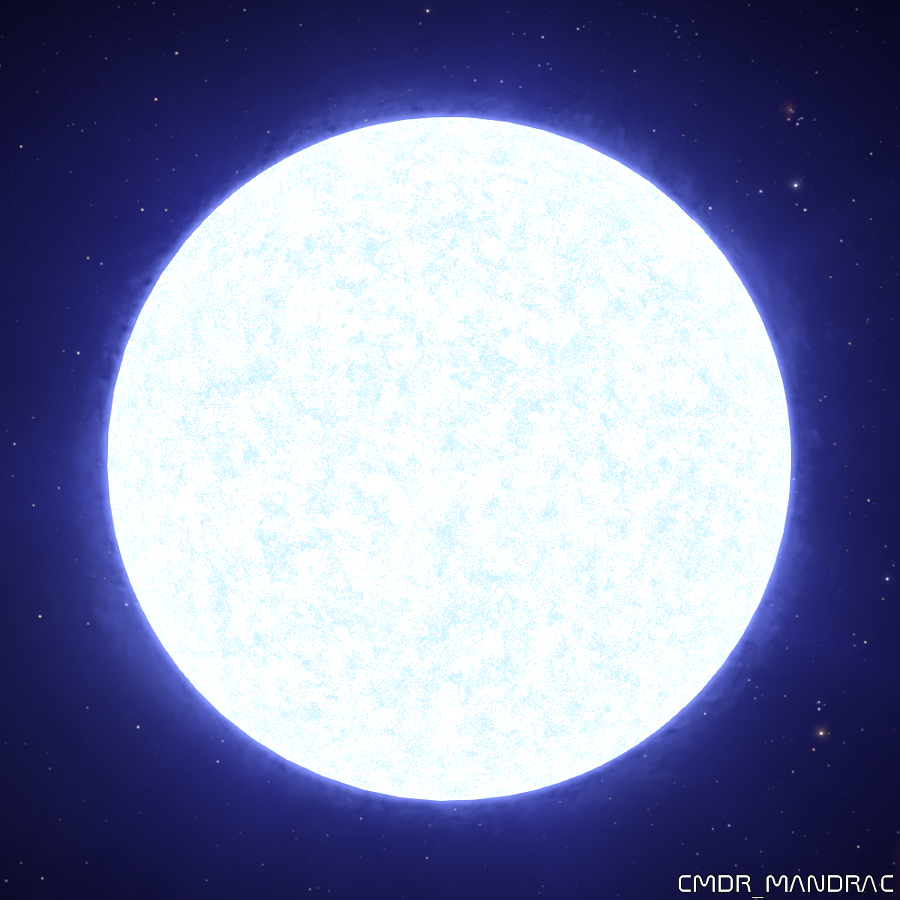
ED: Odyssey added landable planets and moons with tenuous atmospheres in 2021. The Stellar Forge was upgraded with: "use of a new Physically Based Rendering system throughout the game gives stars a new "light". Different planets' atmospheres will have different colours based on their primary composition. For example atmosphere colours/types: red, yellow, green, blue, lots of shades. Raleigh scattering for light refraction based on the star light's wavelength and planet atmosphere density. Mie scattering for light absorption based on atmosphere elements and composition. Oxygen, Argon, Neon, etc. absorb light differently. This produces a huge variety of visual possibilities."[2]
Trivia
- The word 'atmosphere' comes from the Ancient Greek word 'atmós' (ἀτμός) which means 'steam, vapour', and the Greek word 'sphaîra' (σφαῖρα) which means 'sphere'.